
Many homeowners imagine that a greener home requires a dramatic rebuild. In reality, the most effective changes are often practical adjustments that improve comfort while reducing waste. The secret is to treat the home as a connected system.
Begin with the building envelope
Heating and cooling work harder when a home leaks conditioned air. Roof insulation, well-sealed windows, sensible shading, and careful ventilation can transform how a space feels before you add any new technology.
Start by identifying where rooms feel drafty, too warm, or slow to cool. Those symptoms often point to the upgrades that will make the biggest difference.
Let daylight do more of the work
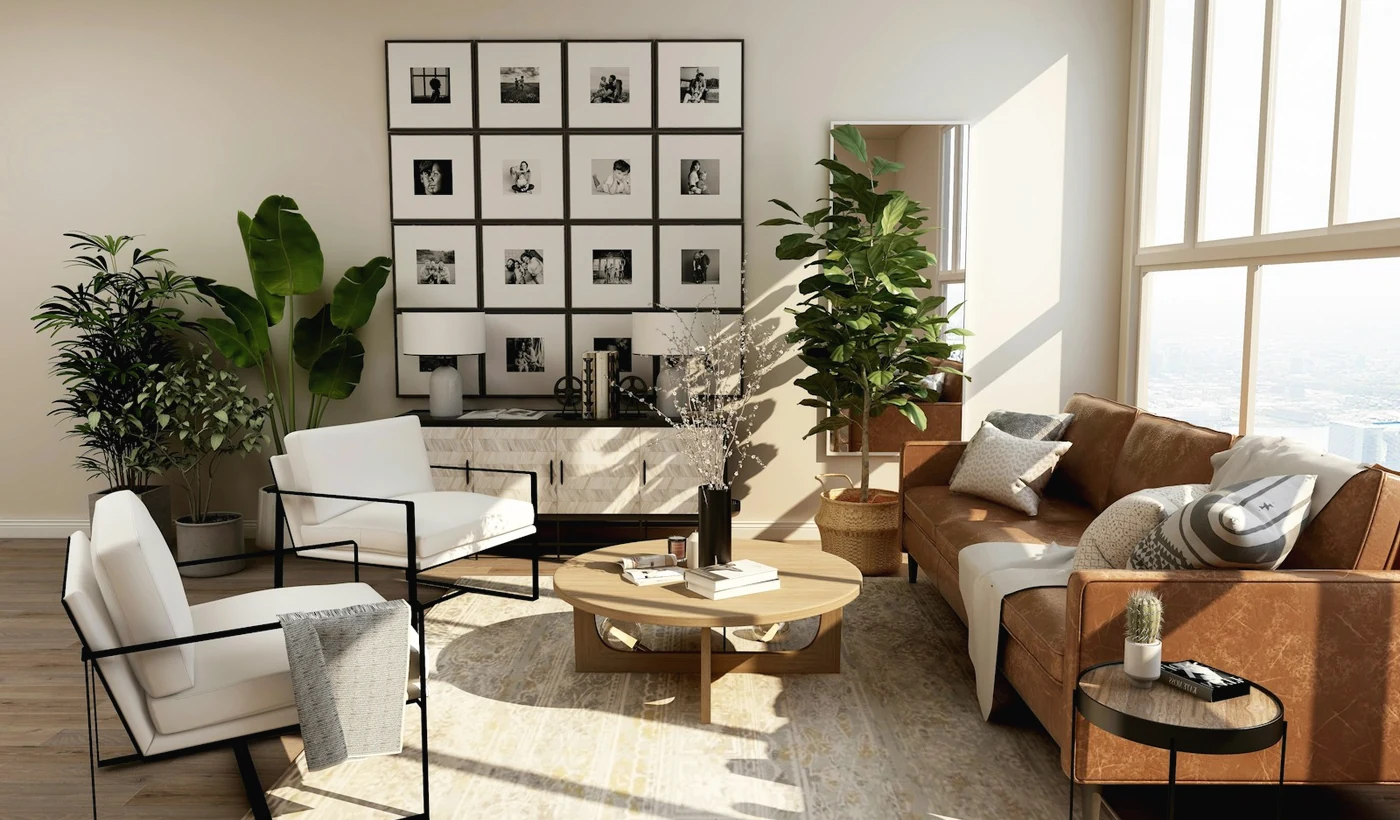
Good window design does more than frame a view. It brings useful light into the home, reduces reliance on artificial lighting, and creates a stronger connection to the outdoors.
- Place glazing where it captures gentle daylight rather than harsh midday heat.
- Use exterior shading, planting, or overhangs to manage warmth.
- Choose window coverings that allow flexibility through the day.
- Keep furniture from blocking natural light paths.
Explore solar with a whole-roof mindset
Solar can be a powerful part of a home strategy, but it works best when the roof itself is ready. Assess the condition of the roof, the direction of the sun, shade from nearby trees, and your household's typical energy patterns before choosing a system.
If a roof replacement is already on the horizon, coordinating it with a solar upgrade can avoid duplicated work and help the finished result look more intentional.
Choose water-wise comfort
Bathrooms and gardens offer many opportunities to reduce demand without sacrificing beauty. Efficient fixtures, thoughtful irrigation, drought-tolerant planting, and rainwater strategies can all contribute to a more resilient home.
The goal is not to use less for its own sake. It is to use resources where they genuinely improve comfort and avoid sending them where they do nothing.
Make decisions in the right order
Energy upgrades are easiest when they follow a clear sequence. Improve the envelope, reduce unnecessary demand, then consider generation and smart controls. This approach helps every later investment work harder.
Sustainable homes are not built from a shopping list. They are shaped by good timing, careful choices, and an understanding of how each part supports the next.
 Designing a Home That Grows With You
 The Quiet Details That Make a Renovation Last