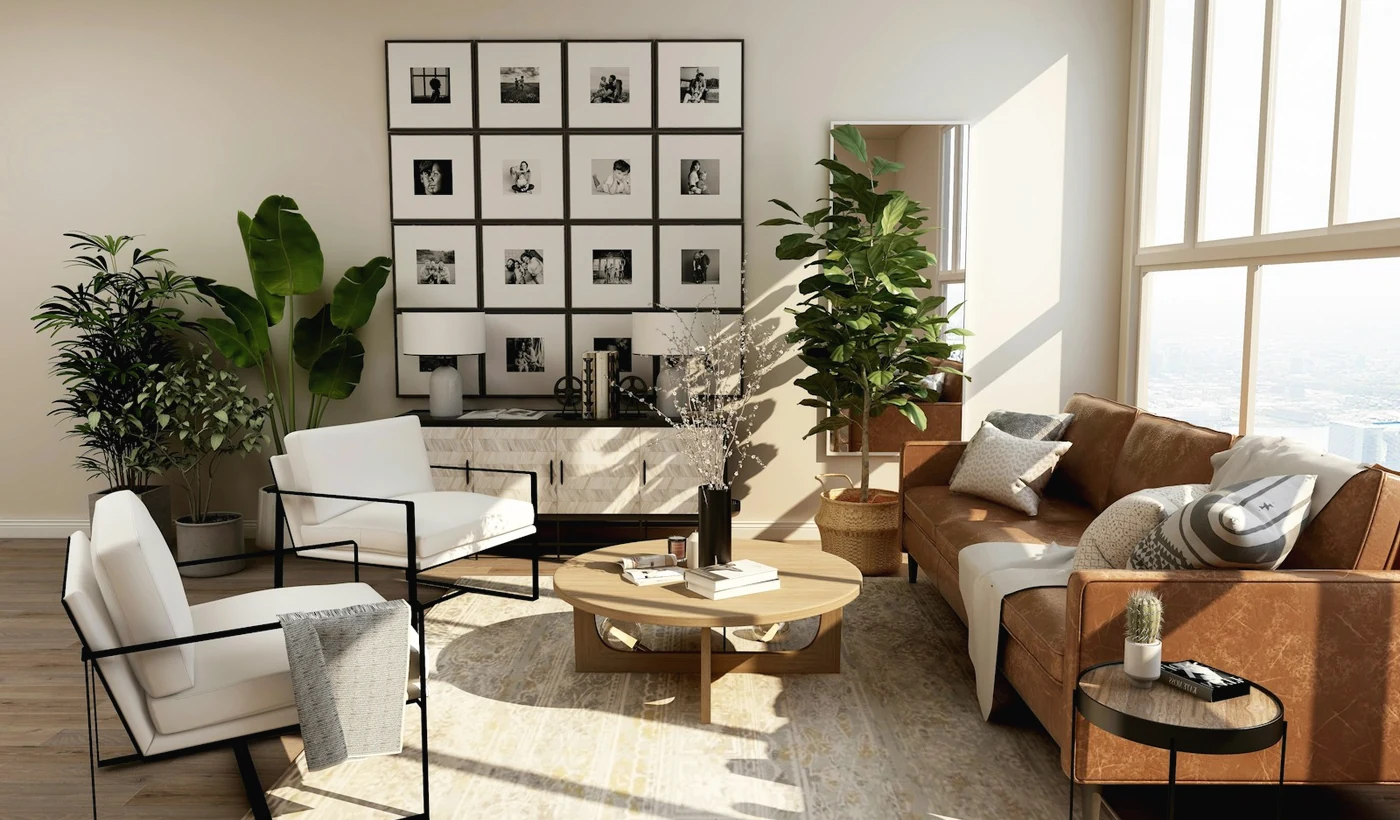
A renovation is a chance to look beyond the way a room looks today and ask how it will serve you tomorrow. Flexible design is not about making every room generic. It is about giving your home enough freedom to adapt without losing its character.
Start with how life actually moves
Before choosing finishes, watch how your household uses the space. Notice where bags land, where people gather, where quiet is hard to find, and which rooms sit unused. Those patterns are more useful than any trend board because they reveal the plan your home already wants to have.
Open layouts can be wonderful, but they work best when they still offer smaller moments of privacy. A reading corner, a pocket of storage, or a change in flooring can define a zone without closing it off.
Choose layers, not fixed statements
Lighting is a good example. A central ceiling fixture rarely supports everything that happens in a living space. Layered lighting lets a room shift from focused work to relaxed conversation with a simple change of mood.
- Use ambient lighting for a comfortable baseline.
- Add task lighting where reading, cooking, or hobbies happen.
- Use accent lighting to bring warmth to art, texture, and architectural details.
- Place controls where they are intuitive to reach.
Invest in surfaces that can take real life
Durable does not have to mean plain. Today's materials can feel warm and expressive while standing up to busy households. Consider flooring with a forgiving finish, upholstery that cleans easily, and joinery that hides everyday clutter.
Think about maintenance as part of the design. A beautiful surface that creates constant worry will never feel truly comfortable.
Make storage part of the architecture
Storage is often treated as an afterthought, yet it has a huge influence on how calm a home feels. Built-ins, bench seating, and well-planned wardrobes can reduce visual noise and keep adaptable spaces open.
When storage is designed with the room, it disappears into the background and lets the architecture breathe.
Plan for change with small, smart moves
You do not need to predict every future need. Choose furniture that can move, leave generous circulation paths, and make sure key rooms have enough outlets and light. These quiet decisions give you options later without another major renovation.
A home that grows with you is not about constant reinvention. It is about creating a strong, flexible foundation that welcomes change naturally.
 Sustainable Upgrades That Feel Effortless
 The Quiet Details That Make a Renovation Last